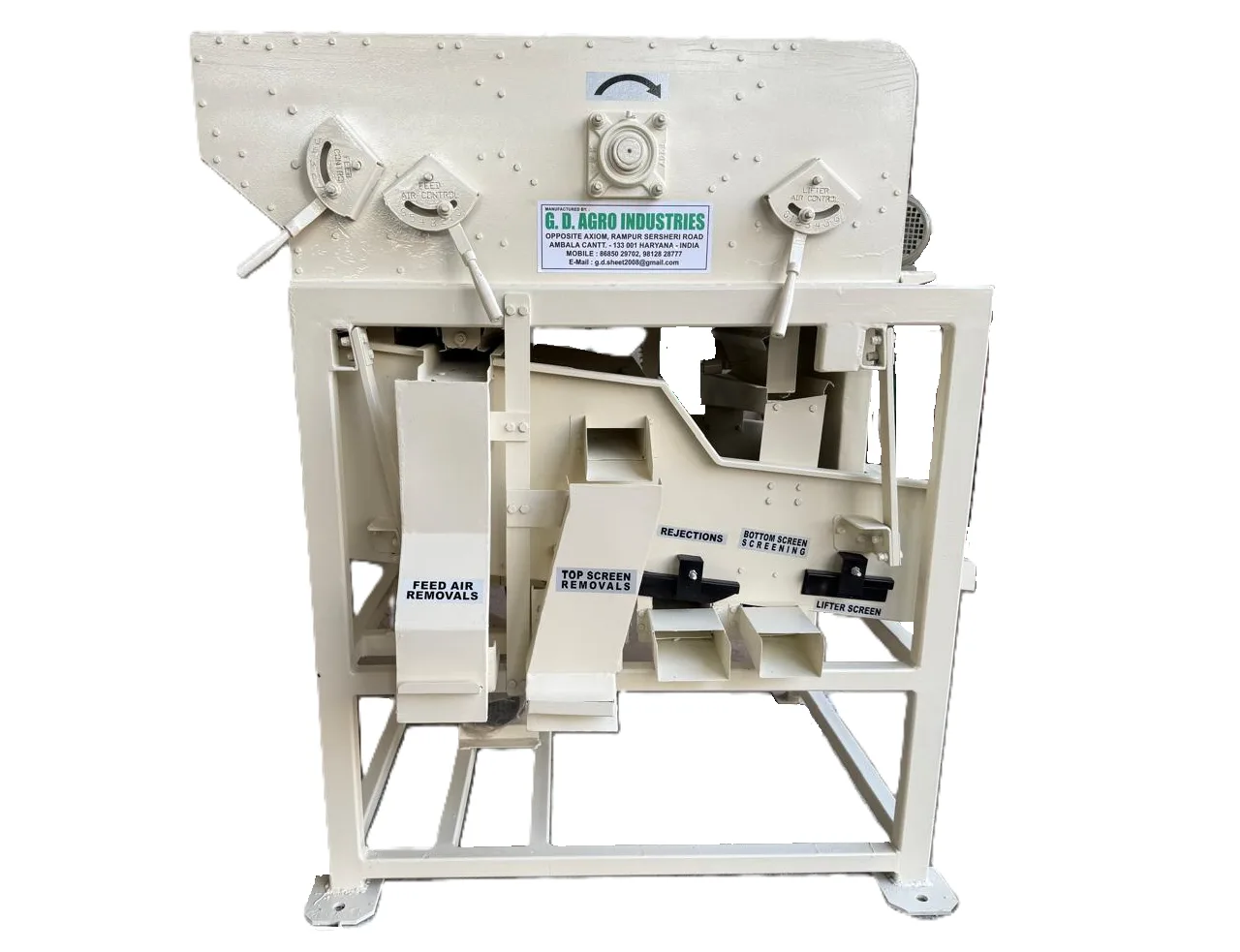
Choosing the right seed processing plant capacity is one of the most important decisions for seed companies, Farmer Producer Organizations (FPOs), agri-entrepreneurs, and government-supported projects. A wrong decision can lead to production bottlenecks, quality rejection, higher costs, or underutilized machinery.
At G. D. Agro Industries, we have worked closely with seed processors across India and have seen one common issue—capacity is often selected only by TPH, without considering impurity load, crop type, and safety machines like vibro and magnetic destoners.
This guide will help you confidently choose the correct seed processing plant capacity from 1 TPH to 10 TPH, while avoiding costly mistakes.
What Does TPH Mean in Seed Processing Plants?
TPH (Tons Per Hour) refers to the quantity of raw seed input a plant can process per hour under standard conditions.
However, actual output depends on several real-world factors:
- Crop type (wheat, paddy, pulses, oilseeds, etc.)
- Moisture content of seeds
- Level of impurities (dust, stones, metal particles)
- Number of cleaning and grading stages
📌 Reality Check:
A 5 TPH plant processing clean wheat will perform very differently than the same plant processing pulses with high stone content.
That’s why capacity selection must be practical, not theoretical.
Seed Processing Plant Capacity Selection Based on User Type
1–2 TPH Seed Processing Plant (Entry Level)
Best suited for:
- Small seed producers
- SHGs and startups
- Local seed multiplication programs
Key insight:
Even at low capacity, vibro destoner and magnetic destoner are NOT optional. Stones and metal impurities can still damage machines and reduce seed quality.
✔️ Low investment
✔️ Easy installation
✔️ Ideal for limited batch processing
3–5 TPH Seed Processing Plant (MOST DEMANDED IN INDIA)
This is the most popular and balanced capacity range across India.
Best suited for:
- Government subsidy projects
- Medium-scale seed companies
- FPOs and cooperative societies
Must-have machines in this range:
- Seed Pre Cleaner
- Seed Grader
- Vibro Destoner (stone & sand removal)
- Magnetic Destoner (iron particle removal)
- Specific Gravity Separator
📌 Why this range works best:
It delivers export-quality seed, meets government tender specifications, and allows future expansion without overspending.
6–10 TPH Seed Processing Plant (High-Volume Operations)
Best suited for:
- Large seed processors
- Export-oriented units
- Continuous, high-throughput operations
At higher capacities, vibro destoner and magnetic destoner become mandatory, not optional.
They help to:
- Protect screens and gravity separators
- Maintain continuous material flow
- Reduce breakdowns and downtime
- Meet international seed quality standards
✔️ Higher automation
✔️ Lower per-ton processing cost
✔️ Designed for long operating hours
Why Vibro Destoner Is Critical in Capacity Planning
A vibro destoner removes heavy impurities based on density difference, including:
- Stones
- Mud balls
- Glass pieces
- Heavy foreign materials
📌 Without proper vibro destoning, stones can:
- Damage grading screens
- Reduce plant efficiency
- Cause frequent maintenance stoppages
This is especially important in pulse, wheat, and oilseed processing plants.
Why Magnetic Destoner Is Essential (Often Ignored, Always Costly)
A magnetic destoner removes ferrous contaminants such as:
- Iron particles
- Nails and bolts
- Metal fragments
📌 Even a small metal piece can:
- Destroy screens and bearings
- Damage gravity separators
- Contaminate seed lots
Magnetic separation is a low-cost safeguard that protects high-value machinery and ensures contamination-free output.
Plan for Future Expansion (Most Buyers Forget This)
When selecting capacity, always plan for:
- Higher impurity loads in future batches
- Processing multiple crops
- Adding automation or color sorting
- Increased market demand
👉 Expert Rule:
Current requirement + 30–40% buffer capacity
This ensures:
- Longer plant life
- Better return on investment
- No forced upgrades within 2–3 years
Expert Recommendation from G. D. Agro Industries
For most Indian seed processors and government-supported projects:
- 3–5 TPH seed processing plant is ideal
- Best balance of cost, efficiency, and scalability
- Meets quality, safety, and regulatory requirements
This is why it remains the most approved and installed configuration across India.
Conclusion: Capacity Is More Than Just TPH
Choosing the right seed processing plant capacity is not only about output.
It requires correct machine selection, impurity management, safety systems, and future planning.
A properly designed plant:
- Improves seed purity and germination
- Reduces maintenance and downtime
- Protects machinery investment
- Delivers consistent, market-ready seed quality
 Frequently Asked Questions (FAQs)
Q1. Is vibro destoner required in seed processing plants?
Yes. Vibro destoner is essential to remove stones and heavy impurities, especially for pulses, wheat, and oilseeds.
Q2. What is the use of magnetic destoner in seed processing?
It removes iron particles that can damage machines and contaminate seeds.
Q3. Which capacity seed processing plant is best for government projects?
A 3–5 TPH plant equipped with vibro destoner and magnetic destoner is most commonly approved.
🔗 Bonus Resource (For Reference):
For general background information on seeds and their characteristics, you may refer to the seed article on Wikipedia.
👉 Need Help Choosing the Right Capacity?
Every crop, site, and project is different.
Contact G. D. Agro Industries for expert guidance and a customized seed processing plant recommendation based on your crop type, impurity load, and budget.
📞 Talk to our technical team today and avoid costly capacity mistakes.