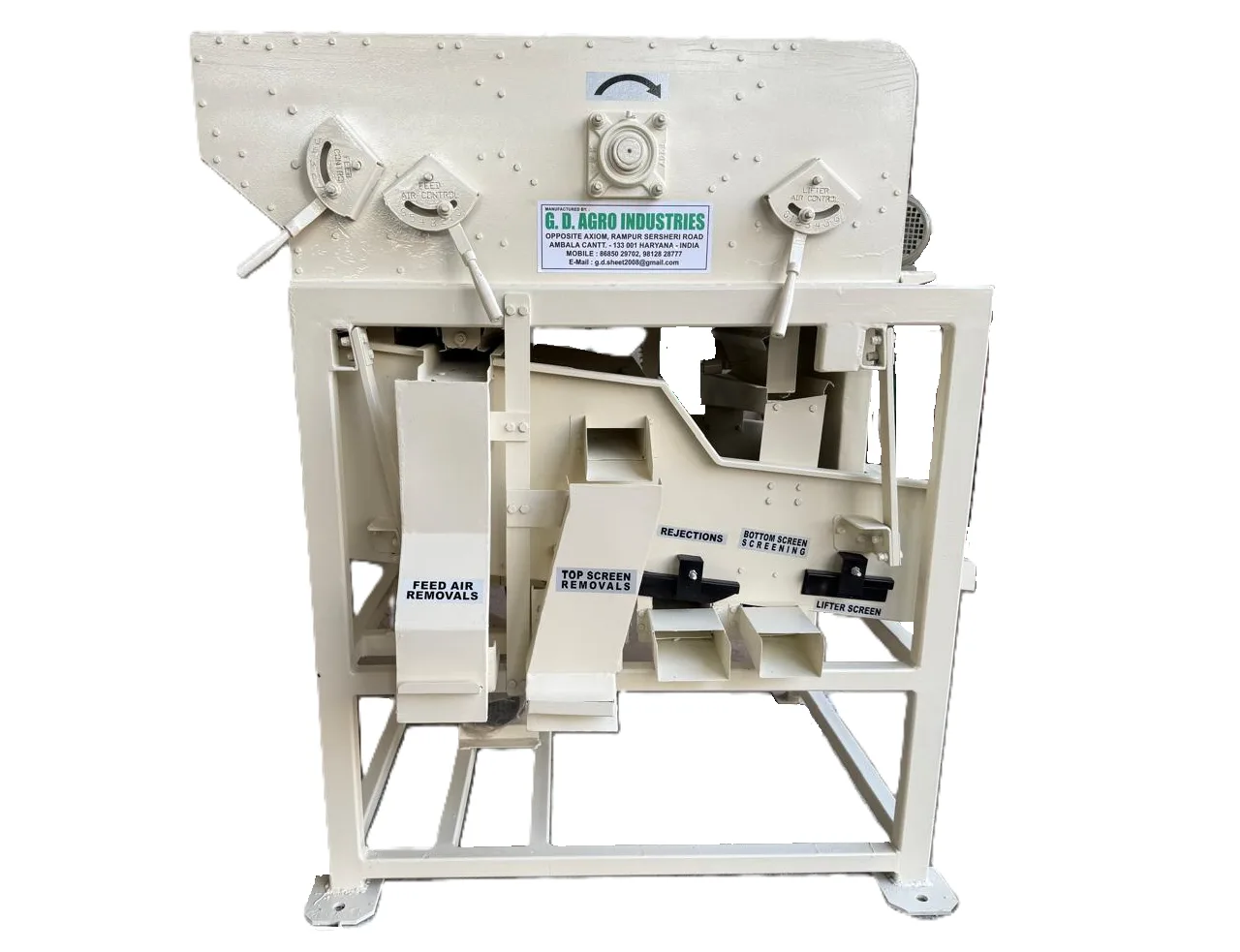
A well-designed seed processing plant flow is the foundation of producing high-quality, uniform, and certified seeds. From raw seed intake to final packing, every stage in the process directly impacts seed purity, germination rate, machine safety, and overall plant efficiency.
Many seed processors focus only on capacity (TPH), but in practice, process flow design is equally important. An incorrect or incomplete flow can result in poor cleaning, frequent breakdowns, and rejection during certification or export inspection.
This blog explains the complete seed processing plant flow step by step, highlighting the role of each machine and why the correct sequence matters.
What Is Seed Processing Plant Flow?
Seed processing plant flow refers to the systematic movement of seeds through a series of machines, each designed to remove specific impurities or improve seed quality.
A standard flow ensures:
- Efficient removal of dust, stones, metals, and damaged seeds
- Uniform size, weight, and density of final seed output
- Protection of machines from wear and damage
- Compliance with certification and quality standards
A properly engineered flow is always crop specific, impurity specific, and capacity oriented.
Typical Seed Processing Plant Flow (Overview)

A modern seed processing plant generally follows this sequence:
- Raw Seed Intake
- Pre-Cleaning
- Fine Cleaning & Grading
- Vibro Destoning
- Magnetic Destoning
- Length-Based Separation
- Gravity Separation
- Optional Advanced Processing
- Packing & Storage
Each stage plays a unique role and should never be skipped or rearranged randomly.
Step-by-Step Seed Processing Plant Flow Explained
1️⃣ Raw Seed Intake
Raw seeds received from farms or procurement centers contain:
- Dust and chaff
- Straw and lightweight impurities
- Stones and soil
- Metallic contaminants
Proper intake systems such as hoppers, elevators, and conveyors ensure smooth and controlled feeding into the plant, reducing manual handling and spillage.
2️⃣ Pre-Cleaning Stage
Purpose: Remove large and light impurities at the beginning of the process.
Pre-cleaning eliminates:
- Dust
- Straw
- Chaff
- Oversized foreign materials
This stage is critical because it:
- Protects downstream machines
- Improves overall plant efficiency
- Reduces load on graders and separators
Skipping proper pre-cleaning often leads to frequent maintenance issues later.
3️⃣ Fine Cleaning & Grading
Purpose: Separate seeds based on size and shape.
At this stage:
- Broken seeds
- Undersized or oversized grains are separated using precision screens.
Benefits of fine cleaning and grading:
- Uniform seed appearance
- Improved market value
- Better performance in gravity separation
- Each crop requires customized screen combinations for best results.
4️⃣ Vibro Destoning
Purpose: Vibro Destoner remove stones and heavy impurities based on density difference.
Vibro destoning removes:
- Stones
- Sand
- Mud balls
- Heavy foreign materials
This stage is essential, especially for:
- Pulses
- Wheat
- Oilseeds
Without vibro destoning, stones can damage grading screens and gravity separators, leading to downtime and repair costs.
5️⃣ Magnetic Destoning
Purpose: Remove ferrous metal contaminants.
Magnetic destoners eliminate:
- Iron particles
- Nails and bolts
- Metal fragments
Even a small metal piece can:
- Damage bearings
- Tear screens
- Contaminate seed lots
Magnetic separation is a safety stage that protects both machinery and seed quality.
6️⃣ Length-Based Separation (Indented Cylinder)
Purpose: Separate seeds based on length differences.
This stage removes:
- Broken seeds
- Long or short foreign grains
- Weed seeds with different length characteristics
Length separation improves uniformity and visual quality, which is important for certified and export seeds.
7️⃣ Specific Gravity Separation
Purpose: Specific Gravity Separator improve seed quality and germination.
Gravity separation removes:
- Immature seeds
- Diseased or shriveled seeds
- Low-density seeds
This stage significantly enhances:
- Germination percentage
- Seed vigor
- Crop performance in the field
Gravity separation is often considered the most important quality-improving stage in the entire flow.
8️⃣ Optional Advanced Processing Stages
Depending on project requirements, the flow may include:
- Seed treating systems
- Color sorters
- Drying units
- Seed polishing machines
These stages are added for high-value seeds, export markets, or specific certification requirements.
9️⃣ Packing & Storage
In the final stage:
- Seeds are accurately weighed
- Packed into bags or containers
- Stored under controlled conditions
Proper packing and storage preserve seed quality until distribution.
Why Correct Flow Design Matters
A scientifically designed seed processing plant flow ensures:
- Higher seed purity
- Better germination results
- Reduced machine wear and downtime
- Lower operational costs
- Compliance with government and export standards
Poorly planned flows may look cheaper initially but result in long-term losses and quality issues.
Flow Design Varies by Crop & Capacity
Seed processing flow is never “one-size-fits-all”.
It changes based on:
- Crop type (wheat, paddy, pulses, oilseeds, etc.)
- Impurity load
- Required capacity (TPH)
- Level of automation
- Future expansion plans
That’s why expert process design is essential before finalizing a plant.
Conclusion
A seed processing plant is only as effective as its process flow.
Each stage—from raw intake to final packing—plays a critical role in producing clean, uniform, and high-germination seeds.
Investing in a properly engineered seed processing plant flow not only improves seed quality but also protects machinery, reduces downtime, and ensures long-term profitability.
 Frequently Asked Questions (FAQs)
Q1. Can one seed processing plant flow handle multiple crops?
Yes. With interchangeable screens and adjustable airflow, a single plant can process multiple crops.
Q2. Is vibro destoning mandatory in seed processing?
Yes. Vibro destoning is essential to remove stones and heavy impurities and protect downstream machines.
Q3. Why is gravity separation important?
Gravity separation removes low-quality and immature seeds, significantly improving germination and seed vigor.
🔗 Bonus Resource (For Reference):
For general background information on seed treatment practices and their purpose in seed quality improvement, you may refer to the seed treatment article on Wikipedia.
👉 Planning a seed processing plant?
Expert process flow design is the first step toward consistent quality and long-term success.